QWalk Home

Category

Urban Living

12 articles

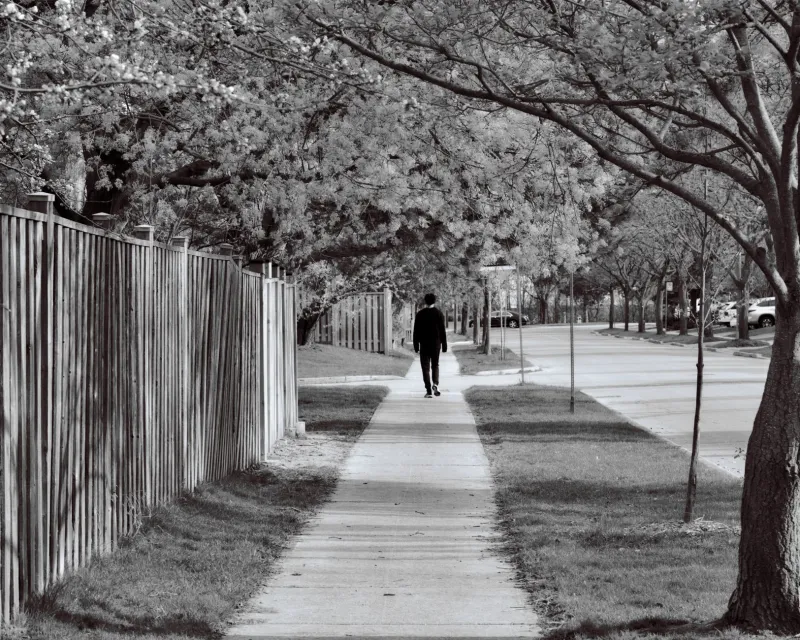
Six Blocks and a Lifetime: The Psychology of the Walkers Who Never Wander Far

Six Blocks and a Lifetime: The Psychology of the Walkers Who Never Wander Far

Most city walkers don't roam — they orbit. Urban psychologists say the surprisingly small territories we carve out on foot reveal more about how we bond with place than any grand cross-city adventure ever could. Here's what it means to truly know six blocks better than most people know their own hometown.

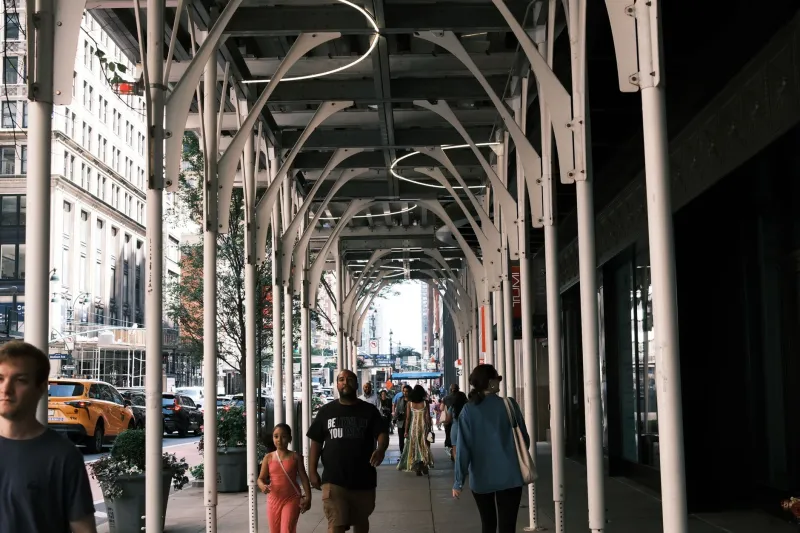
Locked In: How Every City Secretly Programs the Way You Walk

Locked In: How Every City Secretly Programs the Way You Walk

Without realizing it, your body tunes itself to a city's tempo the moment you hit the pavement. From the sprint-or-get-left-behind energy of Midtown Manhattan to the unhurried drift of a small Southern downtown, cities are constantly conducting us — and most of us never notice the baton.

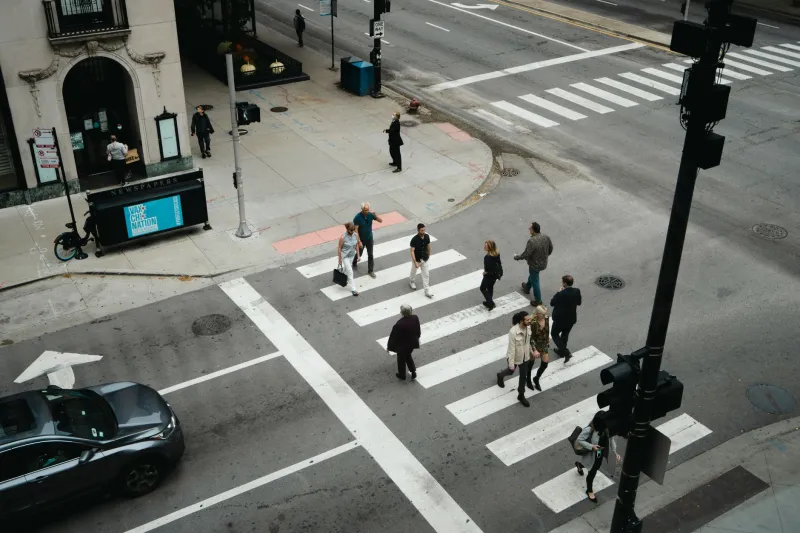
Wired for the Walk: The Unconscious Intelligence That Turns City Streets Into Second Nature

Wired for the Walk: The Unconscious Intelligence That Turns City Streets Into Second Nature

Veteran city walkers don't think about crossing the street — they just know. Behind that effortless navigation is a surprisingly complex web of muscle memory, pattern recognition, and environmental cues that the brain quietly assembles over years of urban life. We dug into the neuroscience and street-level psychology of what separates someone who moves through a city like water from someone who keeps stopping to check their phone.

Ditch the Map: What Happens When You Let Your Feet Decide How a City Is Laid Out

Ditch the Map: What Happens When You Let Your Feet Decide How a City Is Laid Out

Turn off the GPS and start walking, and something strange happens — you stop following the city's official logic and start following your own. The routes you choose without navigation reveal more about how urban spaces actually function than any city planner's diagram ever could. What your instinctive path choices say about American cities might surprise you.

Desire Lines: How Ordinary Walkers Are Quietly Redesigning the American City

Desire Lines: How Ordinary Walkers Are Quietly Redesigning the American City

All over the country, people are walking routes that weren't designed for them — cutting across parking lots, wearing paths through unmaintained lots, and organizing stroller brigades down arterial roads with no sidewalks. It turns out that persistent foot traffic is one of the most effective urban design tools ever invented, and you don't need a planning degree to use it.

Block by Block: Walking America's Invisible Borders and What You Find on the Other Side

Block by Block: Walking America's Invisible Borders and What You Find on the Other Side

A single walk across certain American streets can cover more social distance than a cross-country flight. This is a guide to understanding the invisible lines drawn into our cities—through redlining, disinvestment, and decades of policy—and how to engage with them on foot in a way that's honest, ethical, and genuinely educational.

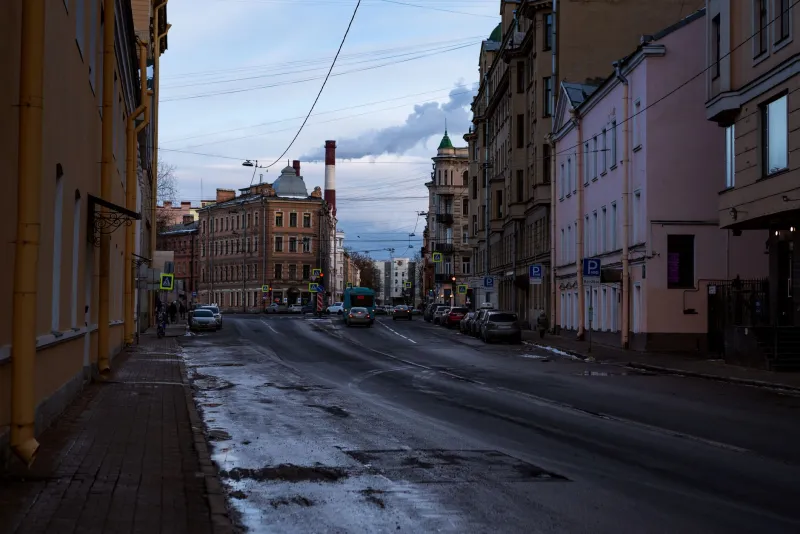
Car Country: Surviving — and Reclaiming — America's Most Unwalkable Cities

Millions of Americans live in cities designed to make walking feel impossible — or even dangerous. From highway-sliced neighborhoods to suburbs without a single sidewalk, pedestrian-hostile design is everywhere. But a growing group of urban planners, activists, and determined walkers are mapping out a different future, one step at a time.

Step by Step: Why Millions of Young Americans Are Letting Their Feet Pick Their Zip Code

Step by Step: Why Millions of Young Americans Are Letting Their Feet Pick Their Zip Code

Forget the commute calculator — a growing wave of millennials and Gen Zers are scouting neighborhoods the old-fashioned way: on foot. Walkability has quietly climbed the priority list alongside rent prices and job markets, reshaping which cities are booming and why. We lace up and dig into the movement redefining where young Americans choose to plant roots.